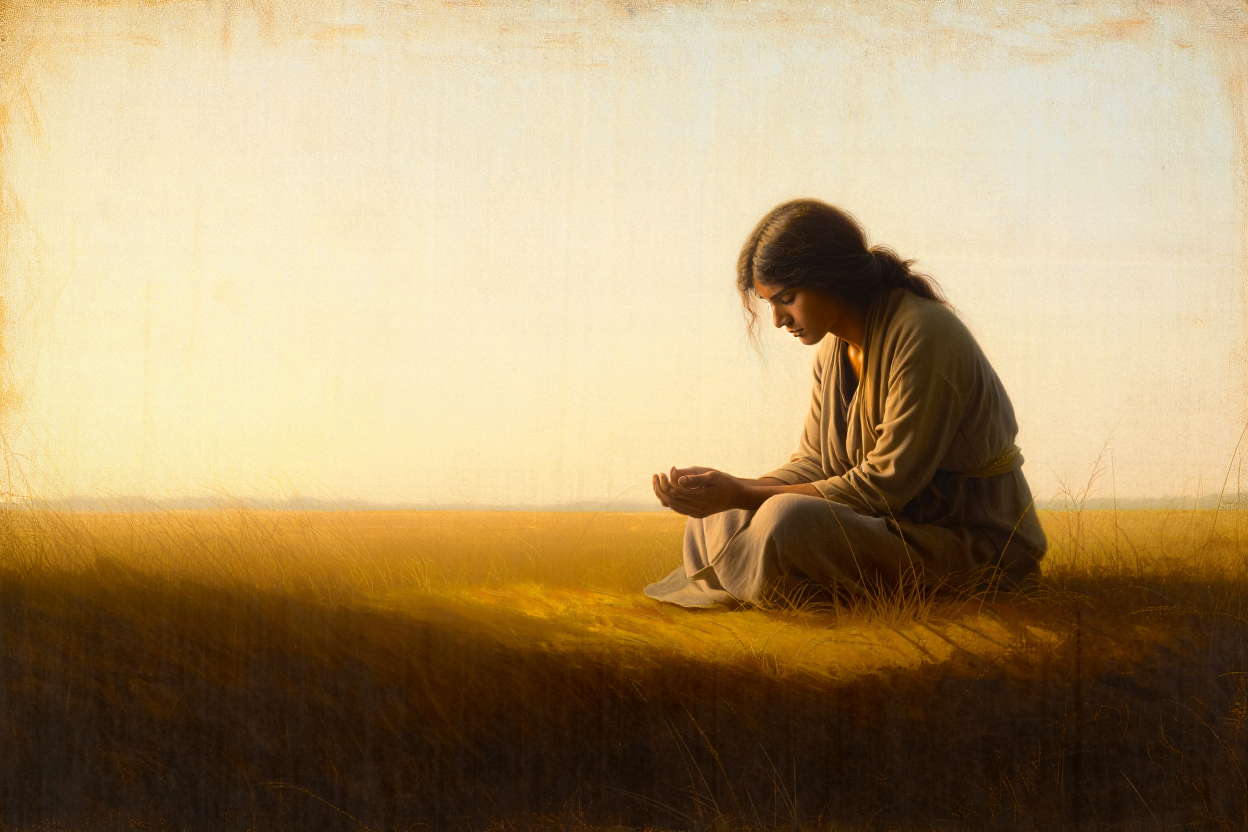
Exhausted women are everywhere. Scroll through social media, talk to your friends, or simply observe the women in your life—chronic fatigue has become so normalized that we joke about needing coffee IVs and wine o'clock. But underneath the humor is something deeply concerning: women today are running on empty, and it's taking a toll on every area of life.
According to research from the American Psychological Association, women consistently report higher levels of stress than men, and they're more likely to experience the physical symptoms of stress—including chronic fatigue, headaches, and sleep problems. A study published in the Journal of Women's Health found that nearly 40% of women report feeling exhausted most days of the week.
But here's what often gets missed: this exhaustion isn't just about being busy. It's about carrying enormous complexity in a culture that demands we do it all—perfectly, effortlessly, and with a smile.
Women today face:
Over time, these pressures create chronic tiredness—physically, emotionally, mentally, and spiritually. That fatigue doesn't stay in our bodies; it seeps into every part of life. In a culture obsessed with wellness and optimization, tiredness can begin to feel like failure. And for exhausted women trying to hold it all together, that shame only adds another weight to carry.
As a psychotherapist and a Christian, I've come to see how deeply health and spirituality are intertwined. Faith is meant to support emotional and mental wellbeing, not add more weight. Yet so many exhausted women feel guilty for being tired, as though needing rest is somehow a spiritual failure.
Research from Duke University's Center for Spirituality, Theology and Health consistently shows that spiritual practices are associated with better physical health, lower rates of depression and anxiety, and greater overall wellbeing. But the opposite is also true: spiritual disconnection can manifest as physical and emotional exhaustion.
The deeper I go in both my therapeutic work and my own faith journey, the more I see that Scripture offers something profoundly grounding for modern women—something honest, holistic, and healing. God invites us into wholeness, not endless exhaustion. He created us as integrated beings—body, mind, spirit, and emotions all working together—and when one area suffers, all areas feel the impact.
Before we can find rest, we need to understand what's really happening. Exhaustion in women isn't just about lack of sleep or poor time management (though those can be factors). It's much deeper and more complex.
For a long time, I believed exhaustion was only about sleep, time management, or physical health. But the rest God designed goes deeper—it reaches the soul (Psalm 23:2–3).
According to the Mayo Clinic, chronic fatigue can stem from physical causes (thyroid issues, anemia, chronic conditions), but it's often compounded by psychological and emotional factors—stress, depression, anxiety, and burnout. For exhausted women, the tiredness is rarely just physical.
Fatigue often appears when:
When we're emotionally weary, our spirit feels flat. When we're spiritually disconnected, our bodies feel heavy. When our minds are overwhelmed, our emotions get loud and unmanageable. It's all connected.
One of the most freeing truths of Christian theology is this: we are integrated, not fragmented (1 Thessalonians 5:23). Body. Mind. Spirit. Emotions. All are connected—and all are deeply loved by God. We can't compartmentalize ourselves and expect to thrive.
The exhaustion women carry isn't just uncomfortable—it has real consequences. Research from Harvard Medical School shows that chronic stress and fatigue in women are linked to increased risk of cardiovascular disease, weakened immune systems, hormonal imbalances, and mental health challenges.
But beyond the physical toll, exhaustion affects relationships, creativity, joy, and spiritual vitality. Exhausted women often report:
This isn't how we were meant to live. God didn't design women to run on fumes until we collapse. He offers something better—but it requires us to rethink some deeply ingrained beliefs about rest, productivity, and worth.
Here's something I've learned as both a therapist and a believer: treating emotions as side notes in my spiritual life limits my experience of both myself and God. Our emotions aren't interruptions to faith—they are invitations into God's presence.
According to research from Fuller Theological Seminary, integrating emotional health and spiritual formation leads to deeper faith maturity and greater life satisfaction. Yet many exhausted women have been taught—explicitly or implicitly—that certain emotions aren't "spiritual" or that feeling tired means you lack faith.
The truth is much more beautiful:
My feelings aren't failures; they're signals. They often reveal a spirit that's overloaded—needing connection rather than performance, healing rather than hiding. Emotional fatigue can be spiritual fatigue in disguise, but it is always an invitation to experience God's love and grace, not a sign that we're falling short spiritually.
If you're an exhausted woman who feels guilty for being tired, I need you to hear this: Jesus never asked us to carry life alone. In fact, He offered something radically different than what culture—and sometimes even church culture—demands.
"Come to Me, all who are weary and burdened, and I will give you rest. Take My yoke upon you and learn from Me, for I am gentle and humble in heart, and you will find rest for your souls. For My yoke is easy and My burden is light." (Matthew 11:28–30)
This invitation is more than comfort—it is a spiritual practice and a way of life. To come is to stop striving, to bring our whole selves honestly before Him, and to allow His presence to do what effort never could.
Notice what Jesus says:
Jesus modeled this way of living. He withdrew to quiet places to pray (Luke 5:16), slept through storms (Mark 4:38), and left some needs unmet to rest (John 5:30). If the Son of God rested without guilt, why do we feel guilty for needing the same?
Research from Baylor University's Institute for Studies of Religion shows that people who practice Sabbath rest and spiritual rhythms report significantly lower stress levels and higher life satisfaction. Rest isn't laziness—it's obedience.
This is the foundational practice beneath all the others. Before techniques, strategies, or self-care routines, exhausted women need to come to Jesus—daily, honestly, and completely.
Coming to Jesus means bringing our weariness, emotions, and limitations to Christ instead of carrying them alone. It means surrendering the myth that we can handle everything if we just try hard enough. It means abiding in Him, not in our own strength (John 15:4).
According to research published in the Journal of Psychology and Theology, spiritual practices centered on connection with God (rather than religious performance) significantly reduce anxiety and increase resilience. Rest begins with relationship, not performance.
Practical ways to come to Jesus:
This isn't about adding another task to your list. It's about learning to live from a place of dependence on God rather than self-sufficiency. That shift alone can transform exhaustion.
Sabbath is one of the most countercultural practices available to exhausted women. In a world that equates productivity with worth, Sabbath declares: you are valuable simply because you exist, not because of what you accomplish.
God didn't give the Sabbath commandment (Exodus 20:8–10) as a nice suggestion—He gave it as a gift and a boundary. Slowing your pace enough to hear God again isn't optional; it's essential for wholeness.
Research from The Sabbath Project (drawing on work by Duke Divinity School) shows that people who practice a weekly day of rest experience improved mental health, better relationships, and increased creativity and productivity during the work week. Rest isn't wasted time—it's the foundation that makes everything else sustainable.
Sabbath reminds exhausted women that:
Sabbath protects the mind from burnout and restores emotional clarity. It creates space for joy, connection, and perspective that gets lost in the daily grind.
Exhausted women often carry the burden of perfection—we think our prayers need to be eloquent, our faith needs to be strong, and our emotions need to be under control. But the Bible tells a different story.
The Psalms are full of raw, messy, honest prayers. David didn't clean up his emotions before coming to God—he brought his anger, fear, confusion, and exhaustion directly to the Lord (Psalm 62:8). That's lament, and it's a lost spiritual practice that exhausted women desperately need.
According to research from Regent College, the practice of lament allows burdens to be released instead of suppressed, which leads to greater emotional health and spiritual maturity. Prayer creates space for peace amid anxiety, but only when we're honest about what we're actually feeling.
Not polished prayers—but real, raw conversations with God:
These prayers aren't faithless—they're faith in action. They acknowledge our need and God's sufficiency. They release what we cannot carry and invite God's presence into our exhaustion.
Exhausted women often suffer in silence, convinced that everyone else has it together and we're the only ones falling apart. But isolation makes exhaustion worse. We were created for community, and sharing honestly in safe community breaks the power of shame.
Research from Harvard's Making Caring Common Project shows that strong social connections are one of the most powerful predictors of wellbeing, while isolation is linked to increased depression, anxiety, and even physical illness. Emotional burdens shrink when they are carried together (Galatians 6:2).
Finding your people:
If you're in Reading, Wokingham, or Berkshire, Thames Valley Church offers small groups specifically designed for authentic community where women can find support, encouragement, and genuine friendship. You don't have to do life alone.
Here's something exhausted women need to hear: caring for your body isn't selfish—it's spiritual. Your body is not an inconvenience to be managed; it's a gift from God to be stewarded (1 Corinthians 6:19–20).
According to the National Institutes of Health, proper nutrition, adequate sleep, and regular movement are foundational to mental and emotional health. But for women of faith, these aren't just health recommendations—they're spiritual responsibilities.
Body care as worship includes:
Honouring the body God created supports emotional and psychological resilience. When exhausted women begin treating their bodies with the respect and care God intended, energy and joy often return.
Exhausted women are often exhausted because of the stories we tell ourselves—stories of inadequacy, comparison, and never being enough. These lies create a mental and emotional burden that weighs us down more than any physical task.
But Scripture offers something powerful: truth that disrupts the lies and replaces them with identity rooted in God rather than achievement.
Romans 12:2 tells us, "Do not conform to the pattern of this world, but be transformed by the renewing of your mind." This isn't just motivational—it's neurological. Research from Northwestern University shows that regular engagement with meaningful texts (including Scripture) can literally rewire neural pathways, reducing anxiety and increasing resilience.
Scripture disrupts lies like:
Renewing your mind through Scripture isn't about memorizing verses for performance—it's about letting truth reshape how you see yourself, your life, and your worth.
When you're an exhausted woman barely keeping your head above water, worship and gratitude can feel impossible—or even insulting. "You want me to be thankful? Can't you see I'm drowning?"
But here's the thing: intentional worship and gratitude aren't about denying reality. They're about reorienting our hearts from pressure and scarcity to God's goodness and presence. They shift our focus from what's overwhelming us to who's holding us.
Research from UC Berkeley's Greater Good Science Center shows that gratitude practices significantly improve mental health, reduce stress, and increase life satisfaction. But for Christians, it goes deeper—worship reminds us who God is when circumstances feel chaotic.
Worship and gratitude practices for exhausted women:
Psalm 100:4 says, "Enter His gates with thanksgiving and His courts with praise." Worship and gratitude aren't rewards for when life gets easier—they're the doorway into God's presence in the middle of exhaustion.
Here's something crucial that exhausted women need to hear: faith isn't meant to replace mental health care, but to support the whole person. When women struggle with anxiety, exhaustion, identity pressure, or emotional pain, they aren't "less spiritual." They're human—and worthy of care.
According to the American Psychiatric Association, one in five women will experience a mental health condition in any given year. Seeking therapy, medication, or professional support isn't a failure of faith—it's wisdom.
As a psychotherapist, I see this integration all the time: therapy provides tools and healing, while faith provides meaning and hope. Together, they offer wholeness. Don't let shame or misguided theology keep you from getting the help you need.
If you're a church leader reading this, here are some ways you can create spaces where exhausted women can find rest, not more demands:
Stop glorifying busyness. Don't celebrate the women who do everything; celebrate the women who know their limits and honor them.
Create small groups focused on real connection. Women need places where they can share struggles without judgment, not just another Bible study where everyone pretends to have it all together.
Teach about rest, Sabbath, and boundaries from the pulpit. Give women permission to rest by showing them it's biblical, not lazy.
Offer resources for mental health. Partner with Christian therapists, host workshops on anxiety and depression, and normalize seeking professional help.
Model healthy leadership. Let women see leaders who prioritize rest, admit struggles, and live integrated lives.
At Thames Valley Church in Reading, we're committed to being a community where women can find God, find their people, and find their calling—without burning out in the process. If you're in Berkshire and looking for a church family that values wholeness over performance, we'd love to welcome you.
If you've made it to the end of this article, chances are you're an exhausted woman looking for hope. Maybe you're wondering if life will always feel this heavy, if rest is even possible, or if God sees how tired you are.
I want you to know: He sees you. He's not disappointed in your exhaustion. He's not frustrated that you haven't figured out how to do it all. He's inviting you to come—just as you are, exactly as tired as you feel—and find rest.
These practices—coming to Jesus, Sabbath, prayer, community, body care, Scripture, worship, and gratitude—aren't a checklist to create more exhaustion. They're invitations into a different way of living. A way that's sustainable, life-giving, and rooted in God's love rather than the world's demands.
You don't have to be remembered as a woman who was always exhausted. With God's help, you can be remembered as a woman who learned to rest, who found wholeness, and who invited others to do the same.
If you're an exhausted woman in Reading, Wokingham, or Berkshire looking for a church community that values rest and wholeness, Thames Valley Church would love to welcome you. We're committed to helping women find God, find authentic community, and find the rest they desperately need. You don't have to do life alone.